VOC Travels to D.C. to Advocate for Non-Opioid Prescriptions for Veterans

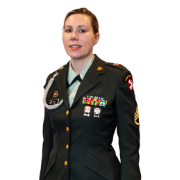
Picture of Laura Heltz, Executive Director & U.S. Army Veteran

Laura Heltz, Executive Director & U.S. Army Veteran

For more than a decade, I’ve been working with veterans who struggle with substance abuse. I’ve seen veterans at every stage of recovery – some of whom were able to overcome their addiction; others who relapsed; and, tragically, some who overdosed. In too many of these cases, this all could have been avoided if not for their reliance on prescription opioids. These brave servicemembers stood up for our country and freedoms only to be knocked down by addiction to medication that is supposed to help them manage chronic and post-surgical pain. This is an epidemic that is unfair to the people who served our country.  

Veterans and Opioid Use by the Numbers

I’ve been doing advocacy for with a fantastic organization called “Voices for Non-Opioid Choices.” They are a “nonpartisan coalition dedicated to preventing opioid addiction before it starts by increasing patient and provider access to non-opioid therapies and approaches to manage acute pain.” They report that: 

  •  Nearly half of combat-wounded veterans report misuse of prescription opioids. 

  • Drug overdose mortality rates among veterans increased by 53% from 2010 – 2019. 

  • The healthcare costs of prescription painkiller abuse among service members is roughly $1 billion a year

They go on to say that “Acute pain patients often receive powerful, addictive medications to manage their pain. The surgical setting, in particular, has become a potential path to long-term opioid abuse in America.” 

In July 2022, the Substance Abuse and Mental Health Services Administration (SAMHSA) released its 2020 National Survey on Drug Use and Health: Veteran Adults. This report found that in 2020:  

  • 490,000 veterans aged 18+ reported prescription opioid misuse. 

  • 53,000 veterans aged 18+ reported prescription opioid misuse and heroin use (heroine is a chemically similar drug to opioids, and prescription opioid use can be a steppingstone to other drugs). 

  • Misue of prescription pain relievers is much more common than heroin use. 

 And these are just the veterans who chose to report the misuse. The number of veterans misusing prescription opioids and those using both the prescription and heroin/other drugs is undoubtedly higher than this. 

 How We’re Advocating for Veterans 

On April 17th, Veterans Outreach Center and 79 other organizations signed a letter written by Voices for Non-Opioid Choices to the U.S. Department of Veterans Affairs urging them to update their coverage policy to include non-opioids in their formulary. The formulary is a list of medications and related information that guides prescribing practices, based on the judgment of healthcare professionals. You can read the full letter here, but this paragraph is of particular importance: 

“Unfortunately, the VA National Formulary (“VANF”) does not include several FDA-approved, safe, and effective non-opioid analgesic products, meaning VA patients have little choice in managing their acute pain symptoms. As a result, the policy embraced by the VANF unnecessarily exposes our nation’s veterans to opioid-based analgesic products. This decision is putting their lives in jeopardy.” 

Our veterans need to be set up for success after their military service, and that includes access to non-addictive, non-opioid prescriptions. 


I’ve also spent time on Capitol Hill in Washington, D.C., meeting with House and Senate

 members/staffers to advocate for H.R.10396 – NOPAIN for Veterans Act. Introduced into the house on December 12th, 2024, this bill does exactly what the letter we signed asked the VA to do: “To amend title 38, United States Code, to ensure that the Secretary of Veterans Affairs furnishes certain non-opioid pain medications to veterans, and for other purposes.” 

As I said at the beginning – I’ve been working with veterans who have been dealing with

 substance abuse for more than a decade. It feels good to start looking at ways to get upstream of this problem instead of always reacting to it after the fact. The absolute s

urest way to reduce opioid addiction is to ELIMINATE exposure in the first place. And that starts in the healthcare setting.

How Free Bus Passes Address Veteran Economic and Mental Health Barriers

Picture of Laura Heltz, Executive Director & U.S. Army Veteran

Laura Heltz, Executive Director & U.S. Army Veteran

Imagine the return of a veteran after years of dedicated service. Their world, initially involving camaraderie and clear directives, has been replaced by the complex civilian world. For some veterans, this transition may be eagerly anticipated, but it can come with unforeseen battles fought on the streets on which they live and in their own minds. These can lead to both economic hardship and/or mental health challenges. For those veterans, the availability of accessible public transportation is a critical, albeit sometimes overlooked, factor that influences both financial stability and psychological well-being.   

The Weight of Financial Strain on Veteran Mobility  

The costs of owning a vehicle – purchasing, gas, insurance, routine maintenance – can be a barrier for veterans looking for work or who are managing limited incomes. Even the cumulative daily expenses of public transit fares, when factored into a tight budget, can create a significant economic burden.  

This financial impediment to mobility comes with consequences:  

  • Employment Disparity: Without reliable and affordable transportation, veterans may be unable to access job opportunities located beyond walking or cycling distance. This can restrict their employment search to immediate vicinities, often limiting options or forcing acceptance of lower-wage positions. The inability to commute consistently can also lead to job loss, perpetuating a cycle of financial insecurity. 

    Educational and Vocational Barriers: Access to vocational training programs, higher education, or skill-building initiatives often requires consistent attendance at specific locations. When transportation costs are prohibitive, veterans may be compelled to forgo these educational pursuits, limiting their long-term earning potential and upward mobility in the civilian workforce.  

In short, the economic barrier to transportation directly undermines a veteran’s capacity for financial independence and long-term prosperity.  

Related Post: Why Economic Stability is a Critical Issue for Female Veterans  

Mental Health and Navigating Public Spaces  

Service-related conditions frequently include “invisible wounds,” such as Post-Traumatic Stress Disorder (PTSD), Traumatic Brain Injury (TBI), and various forms of depression or anxiety. These conditions, while not always externally apparent, can affect a veteran’s ability to navigate public environments, including public transportation systems.  

The manifestations of these mental health barriers include:  

  • Sensory Overload and Hypervigilance: Unexpected sounds, sudden movements, and the general noise of public spaces can trigger heightened anxiety, sensory overload, or hypervigilance in veterans with PTSD or TBI. This can make commuting uncomfortable. 

  • Cognitive and Navigational Challenges: Veterans with TBI may experience difficulties with memory, spatial orientation, or complex problem-solving, making it challenging to decipher intricate bus routes, remember stops, or manage transfers effectively. This can lead to increased stress and confusion. These mental health barriers directly impact access to critical services and social integration:  

  • Missed Healthcare Appointments: The stress or cognitive difficulty associated with using public transit can directly result in missed appointments at VA medical centers or private clinics. This discontinuity of care can exacerbate mental health conditions, delay treatment, and lead to poorer health outcomes. 

  • Limited Social Engagement: A lack of comfortable and reliable transportation can prevent veterans from participating in support groups, community events, or social gatherings with family and friends. This isolation can compound feelings of loneliness and negatively impact mental well-being, hindering the vital process of social reintegration.  

Related Post: How Outdoor Recreation Provides Relief for Veterans  

How Free Bus Pass Programs Address These Barriers  

In 2020, we partnered with the Monroe County Veteran Service Agency and RTS to launch a free bus pass program for veterans. This program serves as a targeted and highly effective intervention against these interconnected economic and mental health barriers. Its design offers multiple benefits:  

  • Direct Economic Relief: By providing complimentary access to public transportation, such programs immediately eliminate the financial burden of daily fares. This allows veterans to allocate their limited financial resources to other essential needs, such as housing, food, or medical expenses. The reduction in transportation costs can directly enable employment by facilitating commutes, thereby fostering greater financial stability. 

  • Mitigation of Mental Health-Related Travel Stressors: Free veteran bus passes simplify the travel process. Without the added stress of managing fares, determining costs, or worrying about affording the next ride, veterans can experience a less anxious journey. Furthermore, while the environment of public transit itself may still present challenges, the predictability afforded by a pre-paid pass and the absence of transactional anxiety can lower overall stress levels. This increased predictability may make public transit a more viable option for veterans managing PTSD or anxiety, encouraging attendance at therapy sessions, medical appointments, and support groups that are crucial for mental health management. 

  • Enhanced Access to Vital Resources: By removing both financial and psychological disincentives, our free bus pass program directly improves access to a wide array of resources critical for veteran well-being. This includes reliable transportation to:  

    • Employment and Education: Facilitating job searches, interviews, and consistent attendance at work or training, thereby directly impacting economic stability. 

    • Healthcare Services: Ensuring consistent access to VA and community-based mental health and medical appointments, crucial for managing chronic conditions and invisible wounds. 

    • Social Support Networks: Enabling participation in community activities, veteran support groups, and family engagements, directly combating social isolation and fostering a sense of belonging.  

An Investment in Veteran Well-being  

The challenges faced by veterans concerning economic stability and mental health are often made worse by transportation limitations. Our free bus pass program for veterans represents a strategic and cost-effective intervention that directly addresses these critical barriers. By alleviating financial burdens and mitigating psychological stressors associated with travel, veterans are empowered to access employment, education, healthcare, and social support. This, in turn, contributes significantly to their overall well-being, successful civilian reintegration, and sustained contributions to society. Investing in accessible public transit for veterans is not merely a benevolent gesture but a judicious commitment to their lasting health, economic security, and community engagement. Click here to learn more about our free bus pass program.