

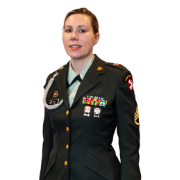
Laura Heltz, Executive Director & U.S. Army Veteran
When you transition out of the military, your checklist seems clear enough:
- Secure your DD-214
- Figure out what VA benefits you’re eligible for
- Find a place to live
- Find a civilian job
These are the important logistical pillars of veteran reintegration, but we’ve worked with veterans who have checked every one of those boxes yet still feel untethered. You can have meaningful employment, be financially stable, and find reliable housing but still struggle with feelings of isolation. Why? Because you left a lot more than a job or a career. Being in the military means living in an all-encompassing culture that, overnight, you’re no longer living in.
The Silence of Civilian Life
After coming from the military, operating as part of a cohesive unit where trust was absolute and everyone defaulted to the shared purpose, you didn’t have to explain your values or translate your experience because the people around you already understood. You were part of a “we.”
Rarely does civilian life give anyone that automatic connection like the military does. In a lot of cases, you’re part of a team, but sometimes everyone has such different jobs on that team that nobody can really relate to what anyone else does or is going through. You often lose the shorthand language and that implicit understanding that someone has your back. The sudden shift from collective strength to individual isolation can be both jarring and a major barrier to true reintegration.
For many veterans, the most exhausting part of reintegration is the constant need to explain yourself. You find yourself editing your stories for civilian ears or trying to describe experiences that don’t have a civilian equivalent. That sudden shift from collective strength to individual isolation can become a major barrier to feeling truly at home. This can be especially true for female veterans, who often face unique experiences in the military.
Related Post: 4 Trauma-Informed Resources for Female Veterans
You Need a “Third Place”
Sociologists talk about the need for a “Third Place,” a physical location that isn’t your home (the “First Place) or workplace (the “Second Place”). The Third Place is where you find community. For veterans, finding a space where you don’t have to edit yourself is essential for mental wellness.
At Veterans Outreach Center, we have built Third Places specifically for veterans.
We designed our Steve Preston Peer Connection Center (PCC) to be the opposite of a clinical waiting room. It looks and feels like a living room, complete with a pool table, TV, and snacks. You don’t need an appointment, and you don’t need to be in crisis to walk through the doors. It is simply a place to sit, decompress, and talk with people who speak your language.
Some veterans bond better while moving toward a shared objective. Our Hiking Group is a perfect example of this. Last year alone, this group hiked over 150 miles and climbed 11,000 feet of elevation together. There is a specific kind of conversation that happens when you are walking side-by-side on a trail that just doesn’t happen anywhere else.
Related Post: How Outdoor Recreation Provides Relief for Veterans
If you aren’t ready to socialize, we also offer tools for physical regulation. Our Morale Center features hydromassage chairs and a quiet atmosphere. It allows you to reset your nervous system and find a moment of peace without anyone asking you “how you’re feeling.” Our Fitness Center lets you exercise your body, which in turn exercises your mind and helps manage stress.
Building Your Civilian Network
Beyond the social aspect, building a peer network is a good career move. Our Workforce Development services provide professional development and networking opportunities to give you the opportunity to upskill, get promoted, or explore your entrepreneurial pursuits.
When you invest time in your professional relationships, you are building a safety net. Isolation is often a precursor to mental health struggles, while connection builds resilience.
You Don’t Have to Do This Alone
You were trained to succeed as part of a team. Attempting to navigate life after service as a solo operator makes the mission harder than it needs to be.
If you have felt that gap in your life since hanging up the uniform, I invite you to stop by. Whether you want to crush some miles on a hiking trail or just relax in a space where nobody asks you to explain your service, the door is open.
Visit us at: Veterans Outreach Center 447 South Avenue, Rochester, NY. No appointment needed.