
4 Trauma-Informed Resources for Female Veterans

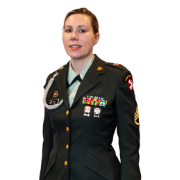
Picture of Annmarie Cunningham, Care Manager - Female Veteran Focus

Annmarie Cunningham, Care Manager - Female Veteran Focus

Many female veterans may face challenges that often go unseen, and when you come home from service, “safety” can often take on a different meaning. Experiences after separation may include balancing family responsibilities, processing difficult or traumatic experiences, or searching for housing and support that feels secure and stable. 

We built our female veteran program because healing can’t happen without safety. We want to make sure you know about four specific, trauma-informed resources you can use to maintain or reclaim your sense of security. 


1. Otto’s Phoenix House 


If you’re facing housing instability, traditional shelters may not always be suitable for female veterans. Some shelters might separate mothers from their children or can’t accommodate families. 

We opened Otto’s Phoenix House (OPH) in early 2025, and it’s the only shelter specifically designed for female veterans and their children in our area. OPH prioritizes security and privacy so you can focus on stability and move toward permanent independence.


Related Post: Why Economic Stability is a Critical Issue for Female Veterans


2. Hydromassage Therapy & Reiki 


We know that there can be a connection between physical pain and emotional trauma. The VA reports that about one in three female veterans experienced sexual harassment or assault while serving. For those with MST, traditional massage or physical therapy can be difficult.  

Our Morale Center offers a hydromassage chair that provides the benefits of a traditional massage, like stress reduction, pain relief, and better circulation, but without any direct physical contact. Similarly, Reiki therapy offers a natural holistic energy therapy of Japanese Origins. This gentle treatment reduces stress, promotes relaxation, and enhances the body’s natural healing ability.

 Related Post: Reinterpreting Veteran Needs for the Future of Services 

3. Women-Only Support Groups


Isolation can be a difficult part of transitioning back to civilian life after military service. For some women who served, it may feel challenging to find spaces where their experiences are understood. A space that allows for understanding without judgment can be especially valuable. 

“Just Because… We Are Women” is one of the many veteran groups we facilitate and is designed to give you the space and camaraderie to not feel so alone. This group is run by women and is for female veterans only. We also offer a women’s crafting group for those who love to create, and the goal is the same: community, camaraderie, and connection. We want to build something where you feel seen, heard, and physically and emotionally secure among peers who have walked a similar path.


4. Wellness Services


Access to essential resources is closely tied to the ability to heal. When individuals are navigating food insecurity or unmet health needs, it can affect both physical and emotional well-being. Our Quartermaster services, fitness center, and outdoor recreation programs support trauma recovery by addressing these foundational needs and helping restore a sense of security.  

The Quartermaster program provides food, clothing, and basic hygiene essentials free of charge to make sure that you have what you need to live a healthy lifestyle. Similarly, our fitness center is a place where you can reconnect with your physical strength on your own terms. Both resources are here to help you rebuild your foundation, so you can focus on the bigger picture of your health and happiness.   

Our outdoor recreation program offers another outlet for healing centered around nature. Through our Hiking and Outdoor Open groups, you have multiple opportunities and ways to build resilience and camaraderie. 


Related Post: Backed by Research: Benefits of Mindfulness for Veterans with PTSD 


You don’t have to navigate this alone. 

If you want to learn more about any of these resources or just want to talk to someone who gets it, please contact us today at 585.546.1081 or visit us at 447 South Avenue, Rochester, NY. 

Understanding the Female Veteran Homelessness Crisis

Picture of Laura Heltz, Executive Director & U.S. Army Veteran

Laura Heltz, Executive Director & U.S. Army Veteran

For female veterans, the transition to civilian life can be full of unique challenges, and for some, it leads to the devastating reality of homelessness. This isn’t a simple issue with easy answers; it’s a complex web of trauma, economic hardship, and systemic barriers. To truly understand and address this crisis, we have to look deeper than the surface and recognize the specific struggles faced by women who have served.

Understanding the Scope of the Problem 

The statistics paint a concerning picture. Female veterans are at a higher risk of homelessness compared to male veterans and civilian women. Data from the U.S. Department of Housing and Urban Development shows that, despite total homelessness among veterans decreasing, homelessness among female veterans increased by nearly 24% from 2020 to 2023. The data also states, “In that same period, the number of unsheltered women Veterans—those living on the streets, in a car, or in another unsafe situation—jumped nearly 48%, from 1,464 to 2,165.” 

The trend is clear: these women are facing housing instability at an alarming rate.

The Unique Challenges of Female Veterans Experiencing Homelessness 

Female veterans facing homelessness endure a distinct set of challenges that compound the already large challenges of housing instability. They often grapple with heightened safety concerns, as traditional shelters may not provide adequate security or privacy. For female veterans who have experienced military sexual trauma (MST), this vulnerability can make life even more challenging. Female veterans who experienced MST can have heightened anxiety and fear in communal living situations. Data from the Department of Veterans Affairs reports that one in three women say they experienced MST during their military service. 

Furthermore, many female veterans are mothers, adding the complex challenge of childcare to their search for stable housing. The lack of family friendly shelters and support services makes it harder to maintain custody of their children and provide a safe environment for them. What’s more, access to essential healthcare – particularly mental health and reproductive health services – becomes more challenging without a consistent address. This lack of access can worsen existing health conditions and hinder their ability to find a job or stable housing. 

Beyond these practical difficulties, female veterans also confront a unique form of social isolation. The stigma surrounding homelessness, coupled with the often-overlooked presence of women in the veteran community, can lead to feelings of invisibility and despair. They may hesitate to get help due to shame or fear of judgment, further isolating them from crucial support networks. The intersection of gender, veteran status, and homelessness creates a complex web of challenges that demand specialized interventions. 

It’s not simply a matter of providing shelter; it’s about addressing the underlying traumas, supporting family structures, and ensuring access to comprehensive care that acknowledges the unique experiences of women who have served.

How You Can Make a Difference 

Fortunately, there are solutions. Our recently opened Otto’s Phoenix House provides safe, supportive housing designed specifically for female veterans and their children, offering a stepping stone to stability and self-sufficiency. But specialized housing is just one piece of the puzzle. We must also address the root causes of homelessness through access to a full suite of supportive services like wellness, employment, job training, and more. VOC offers these services, among others, to veterans free of charge. 

Community involvement is crucial, too. You can make a difference by volunteering your time, making a financial investment, raising awareness, and fostering empathy. Together, we can break down the stigmas and build a more supportive environment. 

Let’s remember that these women have served our country with honor and dedication. They deserve our unwavering support as they navigate the challenges of civilian life. By recognizing their unique needs and working together, we can ensure that every female veteran has a safe place to call home and the opportunity to build a brighter future. 

If you’re a veteran in need of services, click here to request services today

If you know a veteran who could benefit from 100% free services and a community of like-minded people, encourage them to contact us. We’re here to serve those who served U.S.