VOC Travels to D.C. to Advocate for Non-Opioid Prescriptions for Veterans

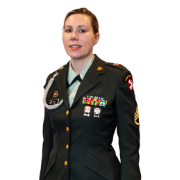
Picture of Laura Heltz, Executive Director & U.S. Army Veteran

Laura Heltz, Executive Director & U.S. Army Veteran

For more than a decade, I’ve been working with veterans who struggle with substance abuse. I’ve seen veterans at every stage of recovery – some of whom were able to overcome their addiction; others who relapsed; and, tragically, some who overdosed. In too many of these cases, this all could have been avoided if not for their reliance on prescription opioids. These brave servicemembers stood up for our country and freedoms only to be knocked down by addiction to medication that is supposed to help them manage chronic and post-surgical pain. This is an epidemic that is unfair to the people who served our country.  

Veterans and Opioid Use by the Numbers

I’ve been doing advocacy for with a fantastic organization called “Voices for Non-Opioid Choices.” They are a “nonpartisan coalition dedicated to preventing opioid addiction before it starts by increasing patient and provider access to non-opioid therapies and approaches to manage acute pain.” They report that: 

  •  Nearly half of combat-wounded veterans report misuse of prescription opioids. 

  • Drug overdose mortality rates among veterans increased by 53% from 2010 – 2019. 

  • The healthcare costs of prescription painkiller abuse among service members is roughly $1 billion a year

They go on to say that “Acute pain patients often receive powerful, addictive medications to manage their pain. The surgical setting, in particular, has become a potential path to long-term opioid abuse in America.” 

In July 2022, the Substance Abuse and Mental Health Services Administration (SAMHSA) released its 2020 National Survey on Drug Use and Health: Veteran Adults. This report found that in 2020:  

  • 490,000 veterans aged 18+ reported prescription opioid misuse. 

  • 53,000 veterans aged 18+ reported prescription opioid misuse and heroin use (heroine is a chemically similar drug to opioids, and prescription opioid use can be a steppingstone to other drugs). 

  • Misue of prescription pain relievers is much more common than heroin use. 

 And these are just the veterans who chose to report the misuse. The number of veterans misusing prescription opioids and those using both the prescription and heroin/other drugs is undoubtedly higher than this. 

 How We’re Advocating for Veterans 

On April 17th, Veterans Outreach Center and 79 other organizations signed a letter written by Voices for Non-Opioid Choices to the U.S. Department of Veterans Affairs urging them to update their coverage policy to include non-opioids in their formulary. The formulary is a list of medications and related information that guides prescribing practices, based on the judgment of healthcare professionals. You can read the full letter here, but this paragraph is of particular importance: 

“Unfortunately, the VA National Formulary (“VANF”) does not include several FDA-approved, safe, and effective non-opioid analgesic products, meaning VA patients have little choice in managing their acute pain symptoms. As a result, the policy embraced by the VANF unnecessarily exposes our nation’s veterans to opioid-based analgesic products. This decision is putting their lives in jeopardy.” 

Our veterans need to be set up for success after their military service, and that includes access to non-addictive, non-opioid prescriptions. 


I’ve also spent time on Capitol Hill in Washington, D.C., meeting with House and Senate

 members/staffers to advocate for H.R.10396 – NOPAIN for Veterans Act. Introduced into the house on December 12th, 2024, this bill does exactly what the letter we signed asked the VA to do: “To amend title 38, United States Code, to ensure that the Secretary of Veterans Affairs furnishes certain non-opioid pain medications to veterans, and for other purposes.” 

As I said at the beginning – I’ve been working with veterans who have been dealing with

 substance abuse for more than a decade. It feels good to start looking at ways to get upstream of this problem instead of always reacting to it after the fact. The absolute s

urest way to reduce opioid addiction is to ELIMINATE exposure in the first place. And that starts in the healthcare setting.

From Scrub Tech to Trailblazing Advocate: Marlene Roll’s Unstoppable Service to Veterans

Veterans Outreach Center

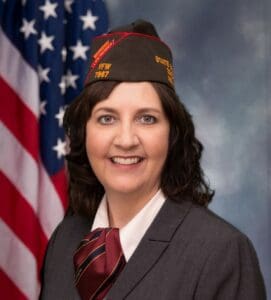
This Women’s History Month, Veterans Outreach Center celebrates Marlene Roll, a woman whose life is a powerful testament to the impact of dedicated service. From her time as an Army Operating Room Technician to her groundbreaking leadership within the Veterans of Foreign Wars (VFW) and beyond, Marlene has consistently broken barriers and championed the cause of her fellow veterans. Her story is one of resilience, leadership, and a deep-seated passion for advocacy.

Marlene’s journey began in 1986 when she enlisted in the US Army Reserve. Her eight years of service, including deployment during Operation Desert Shield/Desert Storm, saw her excel as an Operating Room Technician, earning commendations for her resourcefulness and initiative and achieving the rank of Sergeant. This demanding experience laid the foundation for a lifetime of service. 

Upon returning home, Marlene immersed herself in the veteran community, joining the VFW in 1991. Often the first woman to hold many positions she filled, she served three terms as Post Commander, rose to Erie County Commander, and, in 2015-16, became the Department Commander for New York State. Throughout her VFW career, she held crucial roles, including Special Recruiter, Membership Chairman, Patriotic Instructor, Chief of Staff (for two terms), State Inspector, and Women Veteran Chairperson (for three terms). She even formed a new, ‘Female Focused’ VFW post – the first of its kind in the nation, Kubik/Galloway Post #12097, in 2010. 

Her influence and advocacy extended to the national level, where she served as a Certified National Recruiter for 13 years, a VA Accredited Veterans Service Officer, a member of the National Legislative Committee for many years, and a key National Women’s Committee member. Marlene testified before Congress on the critical issue of sexual assault in VA Hospitals, demonstrating her fearless commitment to addressing complex challenges facing veterans. She held dual accreditation with the American Legion and the VFW. 

As Director of Erie County Veterans Services, she spearheaded initiatives to connect with the veteran community, including partnering with local organizations to conduct Town Hall Outreaches, creating a database of unemployed veterans to circulate job opportunities, and organizing job fairs. She established a weekly presence in the Buffalo Veterans’ Treatment Court, assisting veterans with claims and services. As Interim Director of Monroe County Veterans Service Agency, she helped modernize the agency. She later continued this crucial work as an Assistant Department Service Officer for the Department of New York VFW. 

However, Marlene’s commitment extends far beyond the VFW and government agencies. Her extensive involvement in organizations like the Military Order of the Cooties, American Legion, 40 & 8, DAV, and Am Vets, as well as her service on numerous boards (Higher Ground NY, WNY National VA Cemetery, Buffalo Naval & Military Park, and the VA Batavia Veteran’s Home), showcases her holistic approach to veteran support. As of 2023, she is President of the New York State Council of Veteran Organizations. 

Beyond her advocacy, Marlene is a successful entrepreneur. For 17 years, she used her business acumen and dedication to providing quality care to design, build, and operate Tri-County Kennel, Inc. 

Marlene’s passion is also evident in her role as a mentor. She serves as a Veteran Mentor in Judge Russell’s Veterans Treatment Court and a Veteran Advisor to PACT, now the Veterans Experience Committee, at the Buffalo VA, guiding veterans through complex systems and providing invaluable support. Her tireless work has directly improved the lives of many veterans, and her impact is recognized with the Susan B. Anthony Award and induction into the NYS Veterans Hall of Fame. 

“While I may have been naïve going into the military, it has given me many life lessons and opportunities and has made me who I am today,” Marlene said. “I choose to continue to serve my veteran community out of passion for those who have also served our great country and the families they left behind while volunteering or drafted.” 

Marlene Roll, supported by her husband, Jim, for 38 years, is a true trailblazer. She embodies the spirit of selfless service, breaking down barriers and paving the way for future generations of women veterans. This Women’s History Month, we salute Marlene – a dedicated advocate, a proven leader, and an inspiration.

The Long-Term Effects of Low-Level Blasts: New Legislation Offers Hope for Disability Benefits

Picture of Laura Heltz, Executive Director & U.S. Army Veteran

Laura Heltz, Executive Director & U.S. Army Veteran

Many veterans experience repeated exposure to low-level blasts during their military service, both in and out of combat. These exposures can cause subtle damage to the brain and body that may not be immediately apparent. The effects of the damage can manifest years later.

Over time, this damage can show up in a variety of ways, impacting veterans’ physical health, mental well-being, and overall quality of life.

  • Physical Health: Veterans may experience neurological issues such as headaches, dizziness, memory problems, and difficulty concentrating. They may also develop sleep disorders, tinnitus (ringing in the ears), and balance problems. In some cases, blast exposure has been linked to more serious conditions like Parkinson’s disease and chronic traumatic encephalopathy (CTE).

  • Mental Health: The invisible wounds of blast exposure can also take a toll on veterans’ mental health. They may experience increased rates of depression, anxiety, post-traumatic stress disorder (PTSD), and even suicidal ideation. These mental health challenges can strain relationships, disrupt careers, and lead to social isolation.

  • Quality of Life: The cumulative effects of these physical and mental health issues can significantly diminish a veteran’s quality of life. They may struggle with daily tasks, experience chronic pain, and face difficulties in their personal and professional lives. This can lead to financial strain, decreased independence, and a sense of hopelessness.

What’s more, because there are gaps in the medical evidence related to the long-term impacts of these repeated exposures, it makes it harder for veterans to receive the proper care and benefits if they develop blast-related health conditions later in life.

However, legislation is currently being urged forward in Congress that would require a detailed study about the long-term impacts of exposure to repetitive low-level blasts. Assuming the results of the study show a correlation between the repeated blasts and long-term health effects, it could lead to the establishment of new disability compensation benefits eligibility for veterans who were exposed to repetitive low-level blasts while serving in the military. This would be a big step forward in recognizing and addressing the hidden wounds that many veterans carry.

The Need for Action: It’s crucial to recognize and address the unique needs of veterans who have been exposed to low-level blasts. This includes:

  • Increased research: More research is needed to fully understand the long-term effects of blast exposure and develop effective treatments.

  • Improved diagnosis and care: Healthcare providers need to be trained to recognize the subtle signs and symptoms of blast-related injuries.

  • Greater awareness: Raising awareness among veterans, their families, and the public about the potential impact of low-level blasts is essential.

We’re hopeful that this study will proceed and show the needed evidence to get veterans the help and support they’ve earned. As we continue to monitor this legislation, we have a number of free services for veterans and their families that can help them navigate the physical, mental/emotional, and quality of life challenges that can come from military service. Please request services today to get started.