


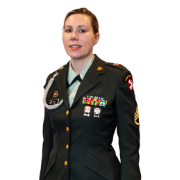
Laura Heltz, Executive Director & U.S. Army Veteran
“Trauma-informed care” is a phrase often used in veteran services and mental health, but to people outside of those spaces, it can sound like jargon. Put plainly, trauma-informed care means operating and delivering services while recognizing that a person’s life experiences, especially the difficult ones, shape how they interact with the world today. It’s a philosophy that assumes everyone has experienced trauma at some point in their lives and adjusts the environment and interactions to make sure the person feels safe, respected, and heard.
Embracing the Sanctuary Model
At Veterans Outreach Center, we have embraced the trauma-informed care approach and strive to implement it in everything we do, from our service delivery to making sure our facilities are safe spaces for all veterans and guests.
A major part of this is through adopting the Sanctuary model through the Andrus Sanctuary Institute. This is a blueprint for organizational change to create a trauma-responsible community by recognizing that trauma and adversity impact all of us. This model allows us to focus on growth, change, and hope for the future while helping the veterans we serve achieve that for themselves.
Adversity is an inherent part of the human experience, and many behaviors are directly related to those experiences. Since adversity, trauma, and chronic stress are universal, we can predict their impact and help people heal from their experiences.
From “What’s Wrong with You” to “What Happened to You?”
Traditionally, systems have focused on treating specific symptoms or behaviors by asking, “What’s wrong with you?” Even when asked with good intentions, that question can feel alienating and judgmental. It suggests that something is inherently wrong with the person, rather than recognizing that many behaviors and symptoms may be rooted in trauma and difficult life experiences. In doing so, it often overlooks the person’s humanity and lacks the empathy needed to truly support healing.
A trauma-informed approach shifts the conversation away from “What’s wrong with you?” and instead asks, “What happened to you?” and “How can we support you moving forward?” For veterans, military service is a deeply personal experience shaped by both shared and individual challenges. Combat deployments, military sexual trauma, repeated relocations, and the sudden loss of military structure during the transition to civilian life can all leave lasting visible and invisible impacts. When those experiences intersect with hardships or trauma that may have existed before military service, the weight can become even greater. Viewing veterans through a trauma-informed lens allows us to honor the full context of their experiences with empathy and dignity, while recognizing that those experiences are part of their story — not the definition of who they are.
Related Post: 4 Trauma-Informed Resources for Female Veterans
A Community of Care
Navigating our own trauma and supporting others through theirs is nuanced, complex, and deeply personal. Every individual’s experience and healing journey are different, and a trauma-informed approach isn’t one single program, service, or interaction. Instead, it’s a cultural baseline to empower veterans to thrive mentally, physically, and emotionally.
For Veterans
If you’re carrying the weight of your transition, you don’t have to carry it alone. Our team is ready to meet you exactly where you are without judgment. Contact us today to get started.
For Supporters
When you support our mission, you’re making sure these vital, trauma-informed resources are available to our nation’s heroes today, tomorrow, and long into the future. Click here to learn how you can get involved.