

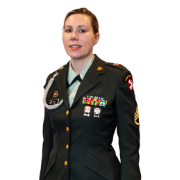
Laura Heltz, Executive Director & U.S. Army Veteran
Rochester—and the nation as a whole—has come a long way in recognizing and honoring military veterans, especially those from the Vietnam era who still carry the pain of a difficult homecoming. But beyond the welcome home lies a deeper, ongoing challenge—particularly for women veterans transitioning back into civilian life: the fight for economic stability.
This financial struggle, often overlooked, has a profound effect on their overall well-being and ability to reintegrate successfully. In 2023, 65% of female veterans across the country reported not having enough money to make ends meet. Understanding how this issue plays out locally, here in Rochester, is not just important—it’s urgent.
Economic stability is the bedrock upon which health, housing security, and overall quality of life are built. For the female veterans who call Rochester home, financial hurdles can turn their transition from service into another battle for them to fight.
The Unique Economic Battlefield for Rochester’s Female Veterans
While military service equips people with invaluable skills and discipline, achieving financial security in the civilian world often presents obstacles for female veterans.
Employment and Underemployment Challenges: National data reveals women veterans frequently face higher unemployment rates than their male counterparts, even with comparable or higher education levels. However, these women bring unique skills and experiences from their military service that can greatly benefit the civilian workforce. Are female veterans finding equitable opportunities within Rochester’s diverse job market, spanning healthcare, optics, education, and advanced manufacturing? They may grapple with translating their military experience into terms that civilian employers readily understand. What’s more, gender bias can lead to their skills being undervalued, or they may encounter outdated perceptions that question their status as “real” veterans compared to men, potentially impacting hiring and advancement opportunities.
The Wage Gap and Local Cost of Living: Like many women in the civilian workforce, female veterans often earn less than male veterans. This disparity is frequently linked to occupational segregation, which concentrates women in traditionally lower-paying fields. When considered against the cost of living, including housing, transportation, and utilities, this wage gap becomes even more impactful, making it significantly harder for female veterans, especially heads of households, to achieve financial footing.
Compounding Factors Magnifying Financial Strain: Some female veterans are single parents or primary caregivers, adding another layer of complexity. The availability and high cost of quality childcare can directly limit employment options or consume a large portion of their income. Additionally, the lasting impacts of military service—such as chronic pain, service-connected disabilities, or Post-Traumatic Stress Disorder (PTSD) resulting from combat or Military Sexual Trauma (MST)—can make it difficult for veterans to maintain steady employment and achieve their full earning potential. Accessing business loans or capital can present further barriers for entrepreneurship.
Why Economic Stability is Critical
Addressing these financial challenges is important for several interconnected reasons that directly impact the health and vitality of our community:
Foundation for Overall Well-being: Financial stress is intrinsically linked to adverse health outcomes. Economic instability can exacerbate anxiety and depression, delay necessary medical or dental care, and hinder access to specialized services unique to veterans’ needs. Stability provides the means for secure housing, nutritious food, and consistent healthcare access – fundamental components of well-being.
Preventing Negative Outcomes like Homelessness: The link between financial hardship and housing instability is stark. Female veterans are already at a higher risk of homelessness compared to both male veterans and non-veteran women nationally. High housing costs can push financially vulnerable female veterans closer to the edge. Ensuring economic stability is an essential preventative measure against homelessness, reducing the strain on emergency services, and promoting dignity.
Related Post: Understanding the Female Veteran Homelessness Crisis
Enabling Successful Transition and Community Contribution: When female veterans are economically secure, they are empowered to fully utilize the exceptional skills, leadership qualities, and resilience gained through service. They actively contribute to Rochester’s economy and civic life, enriching our workplaces and neighborhoods. Financial stability promotes independence and benefits our entire community.
Resources and the Path Forward
While resources exist, ensuring they effectively reach and serve Rochester’s female veterans requires ongoing attention and immediate local action.
Identifying Local Gaps
We must ask critical questions here in Rochester: Are there enough local initiatives explicitly focused on financial literacy, career counseling tailored to female veterans, affordable childcare solutions, and support for female veteran entrepreneurs? The need for these initiatives is clear, and it’s up to us as a community to ensure they exist and are effective. Is there sufficient awareness among Rochester-area employers regarding the unique value and potential transition challenges of female veterans? Do local homeless service providers have the resources to fully address the safety and support needs of female veterans? These are the questions that need our attention and action.
Veterans Outreach Center offers a strong foundation of services for female veterans, but meeting their needs requires the involvement of the entire community. Our recently opened Otto’s Phoenix House provides transitional housing for female veterans who need additional time and support before settling into a home of their own. Designed for veterans who are actively working toward personal and professional stability, Otto’s Phoenix House offers a place to heal, rebuild, and prepare for the next chapter in life. It places an emphasis on community and accountability, ensuring that every veteran has the tools needed to transition successfully into long-term, independent housing.
Related Post: How Outdoor Recreation Provides Relief for Veterans
A Call to Action for the Rochester Community
Employers: Learn how military skills, including those from non-combat roles, translate to civilian success. Offer mentorship opportunities. Partner with veteran service organizations.
Service Providers: Ensure services are trauma-informed, gender-responsive, and easily accessible. Collaborate across organizations to provide holistic support addressing interconnected needs like housing, healthcare, childcare, and employment.
Community Leaders & Citizens: Advocate for policies and programs that support female veterans’ economic stability. This could include advocating for affordable childcare solutions and increasing awareness of the distinct struggles faced by female veterans. Challenge biases and stereotypes when you encounter them. Support local organizations working directly with veterans. Raise awareness about these issues. Policymakers, your role is crucial in shaping the systemic changes needed to address these issues. Advocate for policies that promote affordable housing and accessible healthcare for female veterans.
Investing in Rochester’s Female Veterans is an Investment in Rochester
All too often, the journey from military service to civilian life presents distinctive financial hurdles for many female veterans in Rochester. These challenges demand our focus and collective effort. Prioritizing the economic stability of female veterans is not only a way to honor their service—it’s also an investment in the strength, diversity, and prosperity of the Rochester community as a whole. Let’s work together to ensure that the women who said yes for our country have the resources and opportunities to build secure and prosperous futures at home.
Your support, whether through volunteering, advocacy, or financial support, can make a significant difference in the lives of our veterans. Click here to get started or learn how you can support our mission.

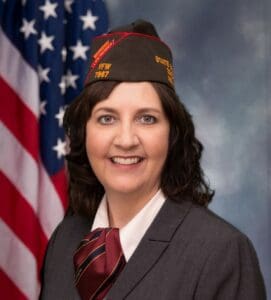 This Women’s History Month, Veterans Outreach Center celebrates Marlene Roll, a woman whose life is a powerful testament to the impact of dedicated service. From her time as an Army Operating Room Technician to her groundbreaking leadership within the Veterans of Foreign Wars (VFW) and beyond, Marlene has consistently broken barriers and championed the cause of her fellow veterans. Her story is one of resilience, leadership, and a deep-seated passion for advocacy.